
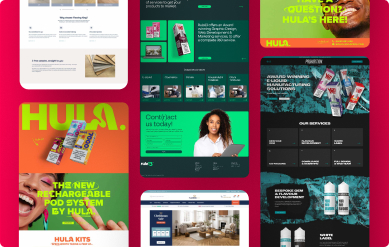



A business can be doing good work and still look like it is stuck ten years behind. That gap costs trust before a prospect has read a word, picked up the phone or requested a quote. So, when should businesses rebrand? Not every time the logo feels a bit tired. But when the way you look, sound and show up no longer supports where the business is going, it is time to take it seriously.
A rebrand is not a new typeface and a colour change for the sake of it. Done properly, it gives your business a clearer position, a more credible face and a digital presence built to convert attention into enquiries, sales or bookings. Done badly, it is expensive window dressing.
First, know the difference between a refresh and a rebrand
A brand refresh keeps the core of your business intact. You might refine the logo, update the colour palette, improve the photography and bring some consistency to your website, proposals and social channels. It is the right call when your reputation is solid but the presentation has slipped.
A rebrand goes deeper. It can involve a new name, positioning, messaging, visual identity and website structure. You need one when the existing brand tells the wrong story, serves the wrong audience or actively gets in the way of growth.
The distinction matters because a full rebrand asks more of your team. It needs clear decisions, buy-in from the people delivering the service and proper implementation. There is no point commissioning a sharp new identity if your van signage, quotations, email signatures and website still look like four different businesses.
When should businesses rebrand? Look for these signals
1. You have outgrown the business you started
Many owner-managed businesses begin with a name, logo and website put together at speed. Fair enough. Early on, getting trading matters more than getting every brand detail right.
The problem comes when that start-up identity is still doing the rounds after the business has changed. Perhaps you now work with larger commercial clients, offer specialist expertise or operate across Kent and beyond rather than one local patch. If your brand still makes you appear small, cheap or generalist, it is holding you in an old category.
A better brand should not pretend you are something you are not. It should make the quality, experience and ambition already in the business easier to see.
2. Your ideal customers do not recognise themselves in your brand
A good brand helps the right customer think, “These are people who understand what I need.” If you want to win higher-value projects but your site talks mainly about low-cost jobs, you have a mismatch. If your ecommerce business has premium products but looks like a discount outlet, shoppers will hesitate.
This is not about chasing every customer. It is about choosing who you are best placed to help and making that clear. The language, imagery, tone and user journey should all support that choice.
There is a trade-off here. A more focused brand can feel as if it excludes people. Sometimes it does. But being vague to keep every door open usually means nobody sees a compelling reason to choose you.
3. Your website makes a poor first impression
For many businesses, the website is where a rebrand becomes impossible to ignore. It may be slow, difficult to use on mobile, packed with old services or built around what the business wanted to say years ago. It may also look fine at first glance but fail at the useful stuff: clear calls to action, convincing case studies, simple enquiry routes and evidence of credibility.
A new logo on an old website is rarely enough. If the site is hard to manage, buries key information or generates little organic traffic, the problem is not purely visual. Brand, content, structure and technical performance need to work together.
That is why a rebrand often makes most commercial sense alongside a bespoke website rebuild. One project gives you a consistent story rather than a fresh coat of paint on a weak foundation.
4. Your offer has become confusing
If customers regularly ask what you actually do, your brand needs work. This often happens after years of adding services, changing direction or acquiring new capabilities. The business evolves, but the wording on the website, brochures and social profiles never catches up.
Confusion creates friction. Prospects will not spend ten minutes decoding whether you supply, install, design, consult or maintain. They will move on to the company that explains it properly.
A rebrand can bring discipline to the offer. It helps you decide what leads, what supports it and what is no longer worth shouting about. That clarity is useful internally too. Your team can explain the business consistently, and marketing has something solid to build from.
5. You are constantly fixing inconsistent materials
One version of the logo lives in a folder from 2017. Another appears on invoices. The website uses different colours to the sales deck. Your social posts have a different voice again. It sounds minor, but it chips away at trust.
Consistency is not about being corporate for the sake of it. It makes a business easier to recognise and more believable. For a customer weighing up several similar providers, those small signals can make the difference between “they seem established” and “I am not sure”.
If every new piece of marketing starts with a hunt for the right logo file or an argument about colours, you do not just need a brand guide. You may need a clearer brand system that people can actually use.
6. Your reputation has changed, for good or bad
Sometimes a business rebrands because it has earned a stronger reputation than its current identity suggests. You may have moved from local jobs to major contracts, become known for a niche or built a loyal customer base around a particular standard of service. The brand should catch up.
In other cases, a rebrand follows a genuine reputation problem: poor historic reviews, a change of ownership, a service model that failed or a name tied to an old chapter. A new identity can help mark a real change, but it cannot erase a problem that has not been fixed.
Be candid about this. If the operational experience remains poor, a rebrand will only raise expectations you cannot meet. Sort the service first, then communicate the change clearly.
7. A merger, move or change in direction has altered the business
A new partner, new location, expanded territory or different business model can make an old identity inaccurate. This is particularly common when two companies combine, a family business passes to new leadership or a service firm starts selling products online.
The question is whether customers will understand the change without a reset. If the existing brand has valuable recognition, preserve what is working. If it creates baggage or confusion, a more decisive rebrand may be the cleaner route.
Do not underestimate practical details. Changing a name affects domains, email addresses, Google Business Profile details, printed materials, vehicle livery and search visibility. Plan the transition rather than flicking a switch on launch day.
8. You are losing work to businesses that simply look more credible
This one is uncomfortable, but common. Your service may be better, your team more experienced and your pricing fairer. Yet prospects choose a competitor because they present themselves with more confidence.
Branding will not win every tender or rescue an uncompetitive offer. But it does shape the assumptions people make before speaking to you. Clear positioning, professional design, strong proof and a website that feels easy to use all reduce perceived risk.
For a specialist firm, this is often the moment to stop treating the brand as an afterthought. Looking like you mean it is not vanity. It is part of selling well.
Do not rebrand for the wrong reasons
A rebrand is not the answer because a competitor has changed their logo, a director is bored of the current colour or a new trend has appeared on Instagram. Trends move quickly. Your business needs an identity that will still feel right once they have passed.
Equally, do not use a rebrand to avoid a harder commercial issue. Weak leads may be caused by poor targeting, unclear pricing, slow follow-up or an offer with little demand. A better website can improve conversion, but it cannot manufacture market fit.
Before committing, speak to customers, review sales conversations and look at your data. Which services are growing? Where do good enquiries come from? What do people praise, misunderstand or question? The answers should shape the brief, not personal taste.
Make the change count
The strongest rebrands begin with strategy, not mood boards. Get clear on your audience, commercial goals, point of difference and the action you want visitors to take. Then build the messaging and identity around that reality.
Implementation is where good intentions often fall apart. Your new brand needs to work on a mobile website, a quotation template, a trade counter sign, a social post and a checkout page. It also needs to be practical enough for your team to use without calling a designer every time they need a document changed.
If search traffic matters, protect it from the start. Keep useful pages where possible, map redirects properly when URLs change and make sure the new site retains or improves the content that brings relevant visitors in. A rebrand should strengthen your visibility, not wipe out years of progress.
The right moment to rebrand is usually not when everything is perfect. It is when the cost of carrying an outdated or unclear identity has become greater than the effort of fixing it. Make the change with a clear commercial reason behind it, and give your business a presence that can keep up with the work you are already doing.

Keep Reading
Related Articles
 Branding
Logo Design That Makes Your Business Credible
Effective logo design builds recognition, trust and consistency. Learn what a strong logo needs, what to avoid and when a refresh makes commercial sense.
Read Article Branding
How to Establish Brand Voice That People Trust
Learn how to establish brand voice that sounds like your business, earns trust and keeps every page, post and sales message consistent with confidence.
Read Article Branding
Small Business Brand Guidelines That Work
Small business brand guidelines that keep your website, sales material and customer experience consistent, credible and recognisably yours as you grow.
Read Article